An Editorial Look At Village Habits
Why Some Long-Living Villages Still Talk About Baking Soda - Honey Gelatin After Fifty
This piece explores where the practice came from, what tradition says, and how baking soda – honey gelatin fits into a simple evening routine — without claiming it changes anything for you.
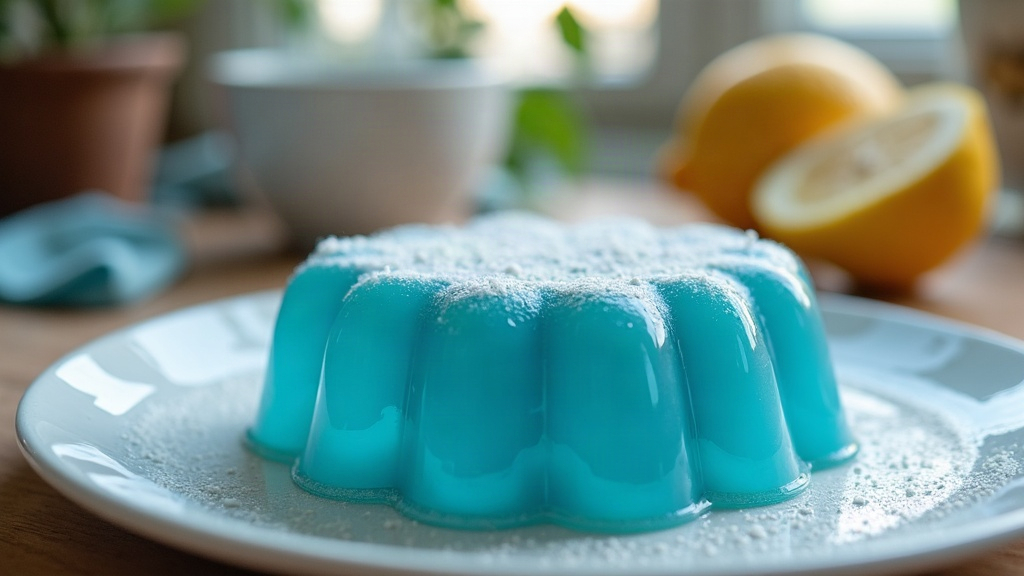
The Question Nobody Asks After Fifty
Why do evenings feel different once a man crosses into his fifties? The shift rarely announces itself all at once.
Why Do Evenings Feel Longer Now?
Many men in their fifties notice a shift in their evening rhythm — sleep resists the old schedule, meals seem heavier, and quiet moments stretch longer than they used to. It's within this evening pause that a household mixture known as baking soda - honey gelatin has quietly persisted across generations of certain communities.
The Weight Of Modern Convenience
Fast, processed evening meals promise ease but leave many men feeling foggier and stiffer than the slower-cooked routines their grandfathers followed.
Tracking What Changed, And When
Somewhere between forty and sixty, small shifts accumulate — posture, appetite, the ease of getting up from a chair — often without a single dramatic moment marking the change.
A Habit Rarely Written Down
Village elders passed down evening customs through observation, not manuscripts, which is one reason so few of these routines survive intact into modern households.
Myths vs Facts: What Village Habits Actually Claim
Separating folklore from realistic expectation matters, especially with a habit as old and quietly mentioned as this one.
Old household mixtures are proven remedies backed by clinical research.
Most village habits, including baking soda – honey gelatin, were passed down through observation and tradition, not laboratory study.
If a habit is old, it must be safe for everyone.
Age and tradition don’t replace a conversation with a healthcare provider, especially for men managing existing conditions.
A nightly ritual can replace medical care.
Editorial interest in tradition is not a substitute for diagnosis, treatment, or professional guidance.
Quick Questions Before We Continue
No. This article discusses it strictly as a traditional household habit, not a diagnosed treatment or cure.
Reports describe it circulating in small, long-living villages, passed between generations as an evening custom rather than a documented remedy.
Any change to diet or nightly habits, especially after fifty, deserves a conversation with a healthcare professional first.
How The Evening Routine Is Traditionally Described
Accounts vary slightly from village to village, but three broad steps appear consistently across oral descriptions.
Step One — An Early Evening Pause
Before the household settles for the night, a brief quiet moment is set aside, away from screens and heavy conversation.
Step Two — Preparing The Mixture
Community elders describe combining baking soda – honey gelatin in small, consistent portions, prepared fresh rather than stored for days.
Step Three — A Consistent Bedtime Marker
The habit is repeated at a similar hour each night, treated less as a remedy and more as a signal that the day is closing.
Where This Village Habit Reportedly Began
Accounts of baking soda – honey gelatin trace back to small agricultural villages where refrigeration was scarce and pantries were built around a handful of durable staples. Baking soda kept for months, honey rarely spoiled, and gelatin — often rendered at home from bones and connective tissue — was already a kitchen staple used to stretch modest meals further. Combining the three into an evening ritual was, by most oral accounts, less a health strategy and more a practical use of what was already on the shelf. Over decades, the practice took on a second life as a marker of routine — something grandfathers did before bed, and something grandsons noticed without ever being told why.
The insight worth sitting with isn’t the ingredient list — it’s the consistency. Villages associated with longer-living elders tended to share rigid evening structure, not exotic remedies.
Signs Worth Discussing With A Doctor
Unexplained Fatigue That Persists
Tiredness that doesn't ease with rest deserves medical attention rather than a home routine.
Sudden Changes In Digestion
New or worsening digestive discomfort should be evaluated professionally, especially before adding any household mixture.
Swelling In Ankles Or Hands
Unexplained swelling can signal underlying conditions that require a clinician's assessment.
Irregular Heartbeat Sensations
Any new sensation of irregular heartbeat warrants prompt medical evaluation, not self-directed remedies.
Sodium-Sensitive Conditions
Men managing blood pressure or kidney concerns should discuss any sodium-containing habit with a healthcare provider first.
Unusual Thirst Or Appetite Shifts
Persistent changes in thirst or appetite are worth mentioning at your next checkup, regardless of any household habit.
Reader Notes From Men Who Tried The Routine

Illustrative composite examples. Individual results vary. Not a guarantee.
More Questions From Readers
No. This is an educational piece exploring a traditional habit and its historical context, not a product listing.
No claim of cure, treatment, or prevention is made here. This content is for general educational interest only.
Correlation is often confused with causation; consistent routines, diet, and community structure likely play larger roles than any single mixture.
Speaking with a healthcare professional remains the most reliable next step before adopting any new nightly habit.
Curious Enough To Keep Reading?
This editorial series continues with a closer look at how village routines like baking soda – honey gelatin were documented, and what modern readers should weigh before drawing their own conclusions.
Advertising Disclosure: This page contains sponsored content and affiliate links. We may receive compensation if you click a link or make a purchase through the links provided. This compensation does not influence the editorial perspective shared on this page.
Content Disclaimer: This content is provided for educational and informational purposes only. It has not been evaluated by the FDA and is not intended to diagnose, treat, cure, or prevent any disease or condition. Always consult a qualified healthcare professional before making changes to your diet, habits, or lifestyle.
Results Disclaimer: Individual results vary. Testimonials and reader notes reflect illustrative composite examples and are not a guarantee of any specific outcome. Nothing on this page should be interpreted as a promise of results.
© 2026 · All Rights Reserved · /contact/